How Long Beans Actually Last
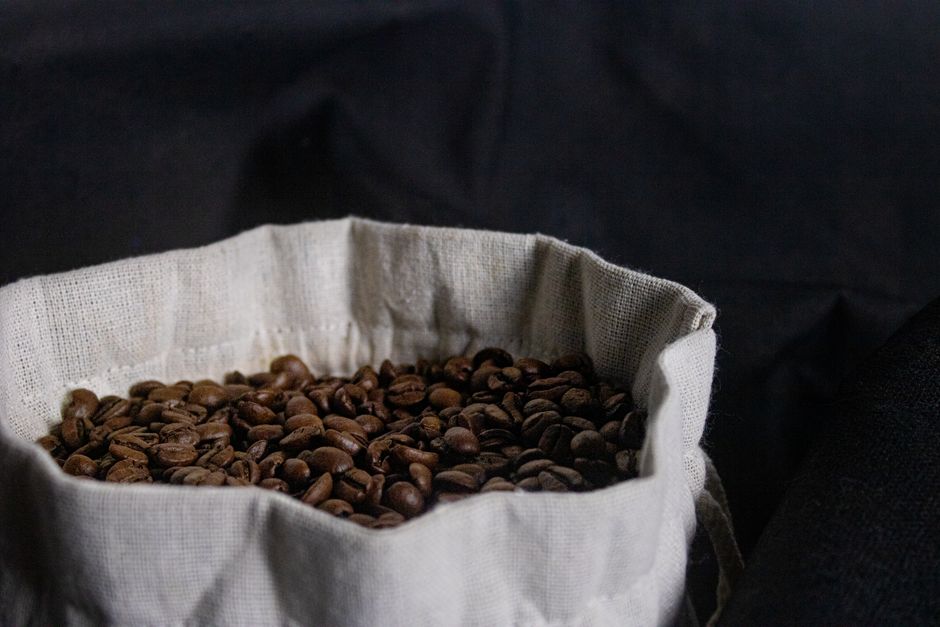
I found the bag behind the flour, which is where things go to be forgotten in this kitchen. It was from a trip in the spring, bought at a small place near a train station, carried home carefully, put away carefully, and then buried under a bag of rice within about a week. The roast date was printed on the side in small letters. It had been almost five months.
I opened it and put my face in it, hopefully, the way you do. It smelled like a cardboard box. Not bad, not rancid, just like nothing much. I made a cup anyway because I refused to accept it, and the cup confirmed the bag.
What old actually tastes like to me
I expected stale coffee to be bitter. It is not, or mine was not. It was hollow. The shape of coffee was there, the colour and the warmth and a general brownness, but the middle of it had gone. There was a thin sharpness at the front and then nothing behind it, like a room with the furniture taken out.
The clearer sign was the smell before brewing. Fresh coffee announces itself when you open the bag and keeps announcing itself while you grind. This one gave me one faint puff and then went quiet. I have learned to trust that more than the taste, because the smell tells you before you have wasted the water.
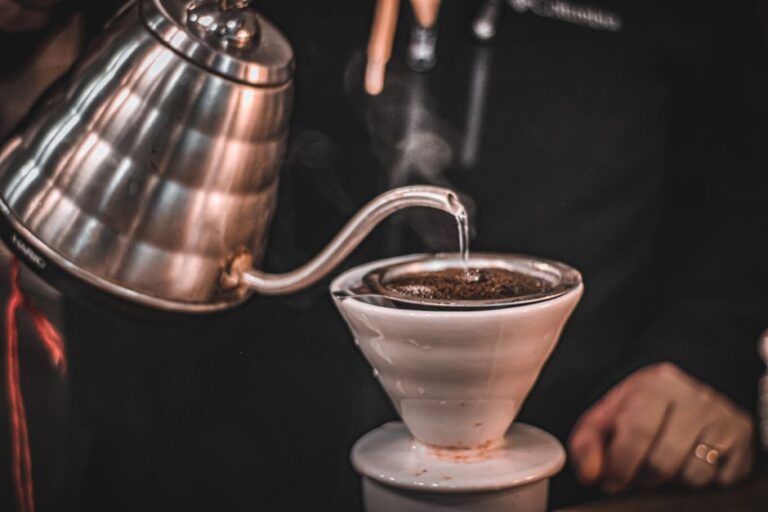
The other tell is the brewing itself. Fresh grounds puff up and bubble when the hot water first hits them. Older ones just sit there and get wet. I did not know that was a thing until I had watched enough mornings to notice which ones did it and which did not.
The rough window I go by now
I am going to be deliberately vague, because I do not trust anyone who gives you an exact number for this and I certainly do not have one.
Immediately after roasting is not the good bit. Beans I have bought a day or two off the roaster have been odd, fizzy somehow, and better after sitting for a few days. So there is a short wait at the front.
Then there is a stretch of several weeks where everything is good and I cannot detect any decline at all. That is the useful window and it is generous, much more generous than the internet suggests.
After that there is a slow fade rather than a cliff. Somewhere around a month or two past roasting, depending on how well it was stored and how much I had opened and closed the bag, things get quieter. It is not dramatic. Nothing goes wrong. It just becomes less interesting, and if you have not had a fresh bag in a while you might not notice, which is exactly what happened to me for most of a winter.
Ground coffee is on a much shorter clock. Days rather than weeks, in my experience. I ground a batch ahead once to save time and by the fourth morning it was noticeably flatter than the first.
Everything I was doing wrong
The jar. I decanted a bag into a pretty glass jar and put it on the windowsill because it looked lovely there, and it did look lovely, and I was slowly cooking my coffee in the afternoon sun. Glass, light, and a lid that sat on rather than sealed. Three mistakes in one nice object.
The rolled bag. I would roll the top over and think that counted. It does not, not once the bag has been opened enough times that the fold no longer holds. The original bags usually have a proper closure and a little valve, and using them properly is better than most containers I own.
Buying too much. This was the real one underneath all the others. I bought large bags because the price per unit was better, and then spent the last third of every bag drinking something dull. The saving was not a saving, it was a discount on the worse half.
Keeping it above the cooker. Warm cupboard, steam, temperature swings twice a day. I moved everything to a low cupboard on the far side of the kitchen and that was a free improvement.
Buying smaller, more often
This is the only real change I made and it fixed most of it. I buy an amount I will get through in a few weeks. It costs slightly more and I have made peace with that, because the alternative was paying less for coffee I was not enjoying.
There is a side effect I did not anticipate, which is that the shop became part of the week. A short walk, a small transaction, someone who now recognises me. I did not set out to acquire that and it has turned out to be one of the nicer things about the whole business.
It also means I am not committed. If a bag turns out to be not for me, it is a small loss and it is over quickly, instead of a long grim march to the bottom of something enormous.
The freezer question I cannot answer
People freeze beans. People I trust freeze beans and are emphatic about it. I have tried it twice and I genuinely do not know whether it worked, because I do not have a good enough palate to run the comparison properly and I did not set it up carefully enough to find out.
What I can report is the practical side. The first time I took the bag in and out repeatedly and everything got damp and clumpy, which I am fairly sure is the thing you are not supposed to do. The second time I split it into small portions first and took one out at a time and left it, and that was fine, and the coffee was fine, and I could not tell you whether it was better than it would have been in the cupboard.
So I have stopped. Not because it does not work, but because buying less at a time solves the same problem without requiring me to have an opinion I do not have.
What I actually watch for
Date on the bag before anything else. If there is no date I assume it has been sitting somewhere for a while and I adjust my expectations down.
Smell when I open it, and smell when I grind. If both are quiet, the cup is going to be quiet.
Whether the grounds move when the water lands. It is a small thing to watch for and it takes two seconds and it tells you what kind of morning you are about to have.
The bag behind the flour got used up eventually, in a pot with too many grounds in it, drunk with milk, on a grey day when I was not paying attention. That is the proper fate for tired coffee. It is not rubbish, it is just past the point where making it slowly earns you anything.