Everything I Have Ruined in the Wash
There is a tablecloth in the bottom of my linen drawer with a pale ghost near one corner, roughly the shape of Portugal. I keep it because it still works if I turn that corner under the table leg, and because it reminds me not to be confident. Six years of doing my own washing and I have wrecked more cloth than I would like to write down. Here it is anyway.
The tablecloth and the olive oil
Someone knocked a small dish of oil over during a long lunch and I did what felt sensible, which was to blot it, roll the cloth up, and deal with it the next morning. By then the oil had spread and set. I washed it warm, which fixed nothing, and then I washed it hot, which set the edges of the mark permanently.
What I learned, too late for that cloth, is that oil is the one thing where waiting genuinely costs you. Every other spill on my table has come out eventually. Wine, coffee, beetroot, candle wax, all of it eventually surrendered. Oil is the exception and it does not negotiate.
Bleach on a napkin I actually loved
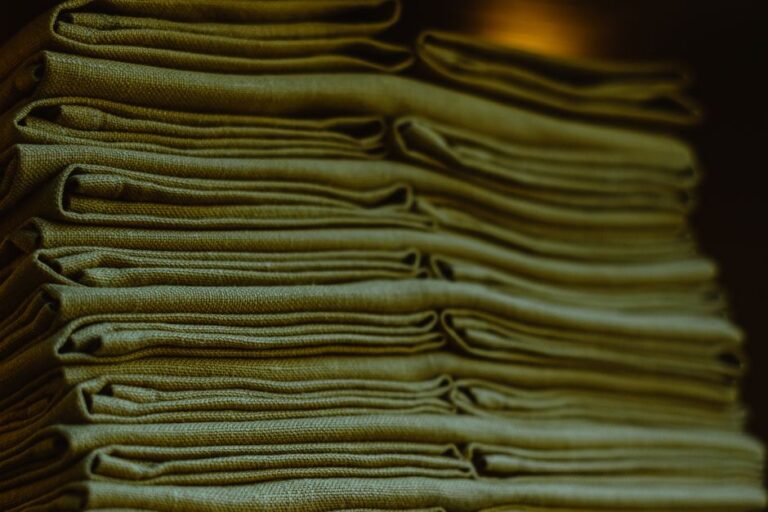
This one was stupid. I had a set of six napkins in a soft grey that had taken about two years to get good, and I put one of them in with a load that included a cleaning cloth still damp with bathroom spray. I did not think of the spray as bleach because it was not sold to me as bleach. The napkin came out with three pale freckles across the middle.
Now anything that has touched a cleaning product goes in its own load, or gets rinsed by hand first, and I keep cleaning cloths in a separate basket entirely. It is not fussiness. It is just that I only need to lose one napkin from a set of six to lose the set.
The tea towel that went grey and stayed grey
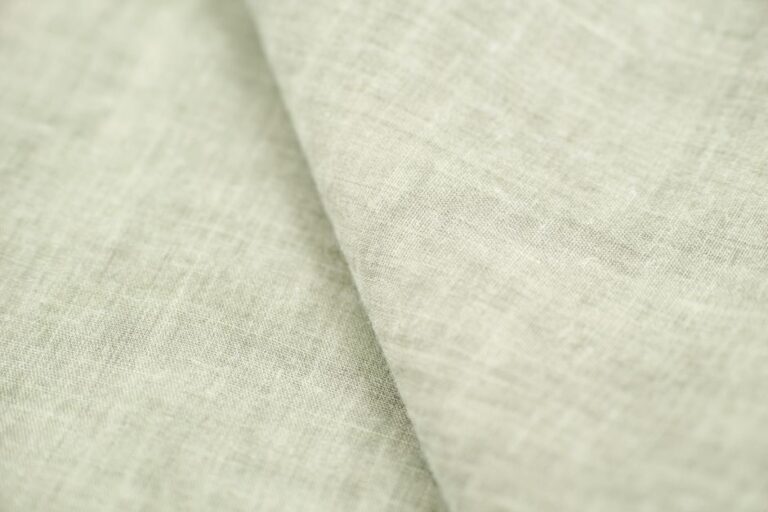
Tea towels take the worst of everything in this house, so I was washing them with whatever else was going, including dark things. One of them, originally an oatmeal colour, gradually turned the flat lifeless grey of pavement after rain. There was no single moment of ruin. It just drifted.
I tried to bring it back twice and both attempts made the fabric feel thinner and did nothing visible for the colour. It is still in use for the floor, which is where every grey tea towel in this house ends up. Now light and dark actually get separated, which I had always considered advice for people with more time than me.
The slow ones are the hardest to learn from, because there is no moment where you can point and say that was it. You just look up one day and the whole drawer has drifted half a shade towards the same non colour, and by then it has been happening for two years.
The pillowcase I dried too hard
I dried a linen pillowcase on the machine’s hottest setting because I was in a hurry and wanted it back on the bed the same evening. It came out noticeably smaller and with a texture I can only describe as tight. The weave had closed up. It never opened again, and after that it never fitted the pillow properly either, so it sat on the bed looking strained at the corners.
Heat is the mistake I have made most often and noticed least, because a single hot dry does not visibly destroy anything. It just quietly takes something away and you find out four months later that one pillowcase feels different from its twin.
I keep the pair together on the bed anyway, one on each side, and I have got used to knowing which is which in the dark. It is a small ongoing reminder of an evening when I was in a hurry over nothing in particular.
Overloading, which cost me more than any single accident
None of the disasters above did as much cumulative damage as the ordinary habit of cramming the machine full. I did it for years because a full load felt efficient and virtuous. What it actually does, with linen especially, is press deep creases into cloth that then sits in them for an hour of spinning.
The results turned up slowly. Sheets with a permanent hard fold line down the centre. Pillowcases that came out twisted into rope and had to be shaken hard, which is its own kind of wear on the seams. Two duvet covers that swallowed everything else in the load and came out with the small items balled up inside them, still soapy.
When I started washing less per load the cloth came out visibly flatter, dried faster on the line, and stopped needing the aggressive shaking that was tearing at the corners. That change did more for how my textiles look than anything else I have ever done.
What I do differently now
Fewer things per wash. Cleaning cloths and anything that has been near a spray in their own load. Light and dark actually apart. Oil dealt with the same hour, everything else dealt with whenever. Almost nothing in the machine dryer, not out of principle but because every single item I have damaged with heat was damaged invisibly and slowly.
I still wreck something about once a year. Last autumn it was a linen apron that went in with a new dark cloth that had not been washed on its own first, and now the apron has a bluish cast that I have decided to like. That is really the other half of the lesson. Some of what I have called ruin was just change I had not agreed to in advance.