Where My Old Sheets Actually Go
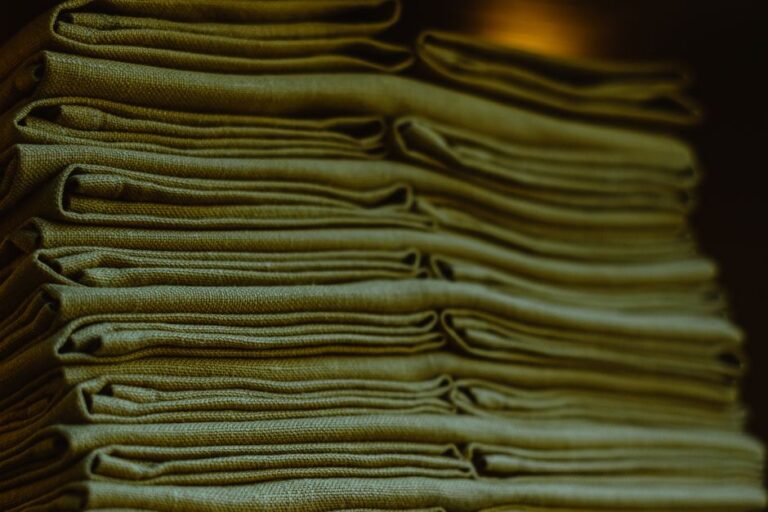
There is a stack at the bottom of my wardrobe that I have to move every time I want the winter coats. It is four old sheets, folded, soft to the point of being almost fluid, and every one of them has a hole. For about two years the stack just sat there accumulating, because I could not throw them out and I could not put them back on the bed either.
Last spring I finally did something about it, and the doing turned out to be more interesting than I expected.
Why the stack existed in the first place
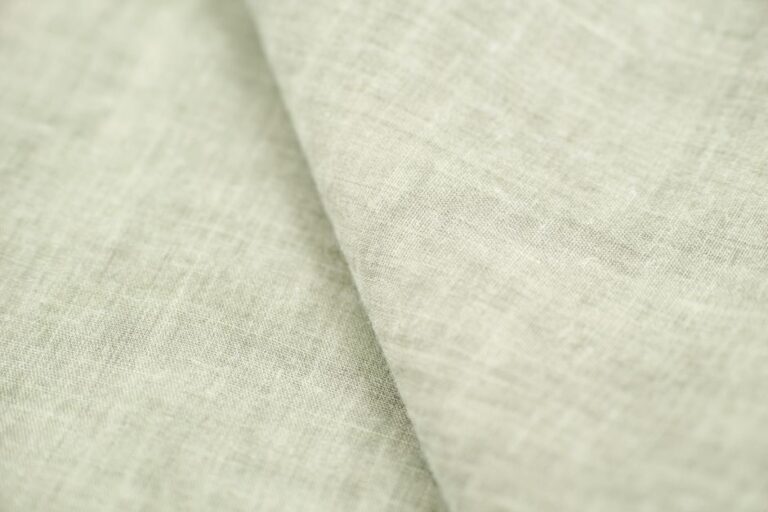
A worn sheet occupies an awkward category. It is not rubbish, because the fabric is at its absolute best. Old linen is the softest thing in this house and the sheet that finally split at the corner had taken years of washing to get that way. Throwing it out felt like throwing out the reward for the waiting.
But it is not a keepsake either. Nobody keeps sheets. So it sat, and every six months I moved it to get at something else, and every six months I thought I should really deal with that.
Cutting up the first one was harder than I expected
I took the oldest sheet out to the kitchen table with a pair of scissors and then stood there not cutting it for a good few minutes. It felt like a decision that could not be undone, which of course it was.
What made it possible was working out what I was cutting it into first, rather than just cutting. I laid it out flat, found the worn places, and drew around them mentally. Two thirds of that sheet was still completely sound. The failure was concentrated at the corners and along one hem, which is the same everywhere, because that is where the mattress and the frame do their rubbing.
Once I saw the sheet as a big piece of good fabric with three bad patches in it, cutting stopped feeling like destruction.
The second lives that actually stuck
Cleaning cloths, first and most obviously. Old linen is thirsty and it does not leave lint on glass, which cotton towelling does, so windows and mirrors get done with squares from that first sheet and have done for over a year. They wash and come back and wash again. I have not bought a cleaning cloth since.
Bread cloths, which was the one that surprised me. A square of soft old sheet over a rising bowl or wrapped round a cooled loaf works better than the tea towels I was using, mostly because it is thinner and lighter and does not press down on anything.
Ties for the garden. Long strips torn rather than cut, used on the beans and the one tomato plant that I keep failing to grow properly. They are soft enough not to cut into the stem and they rot down eventually, which means I do not have to go and collect them all in November.
And one curtain, in the small bathroom window, made from the least worn half of a double sheet with the raw edge just folded twice and stitched badly. It filters the morning light beautifully. It is also visibly a sheet if you look closely, and I have decided that this is acceptable in a room where I am the main audience.
The ones I abandoned
I tried making dust covers for the two chairs we do not use in winter, and they looked terrible. Loose, ghostly, faintly depressing. They lasted about a week before I took them off.
I also tried patching one sheet with pieces of another, on the theory that this would put a good sheet back on the bed. What I got instead was a stiff patched area that felt completely different from the rest of the cloth under me at night, and which then wore around its own edges within a couple of months, because the new fabric was stronger than the old and pulled against it. I would not do that again on a sheet. On a cushion cover it works fine.
The parts that are genuinely finished
There are always scraps that have gone too thin, and I have stopped pretending otherwise. Those go in the rag bag under the sink and get used for the things you use a cloth once for, which in this house is mostly oil, shoe polish, and whatever has happened under the fridge. Then they go out.
Textile recycling exists in my town and I have used it twice for larger amounts, though I will be honest that I have no clear idea what happens after the bin. I do it anyway. It seems better than the alternative and it takes ten minutes.
What the whole exercise actually gave me
Mostly it made the wardrobe usable again, which was the original point. But it also changed how I think about a sheet going through at the corner. It used to feel like the end of something and a small failure of care. Now it reads more like the sheet moving to a different job in the house.
The practical upshot is that I have not bought a cleaning cloth, a bread cloth, or a length of garden twine in over a year, all from one worn out sheet and half of another. That is not a saving worth writing home about in money. It is quite satisfying in a way that has nothing to do with money.