Wrinkles Are the Fabric, Not a Failure
I gave my iron away on a Tuesday in March, to a neighbour who wanted it for sewing. I had used it four times in the previous year and every one of those times had been for a tablecloth I then covered with plates. Standing there handing it over I felt briefly reckless, and then I went back inside and looked at my unmade bed in the late morning light and understood that I had been fighting the wrong thing for about a decade.
The morning I actually looked at it
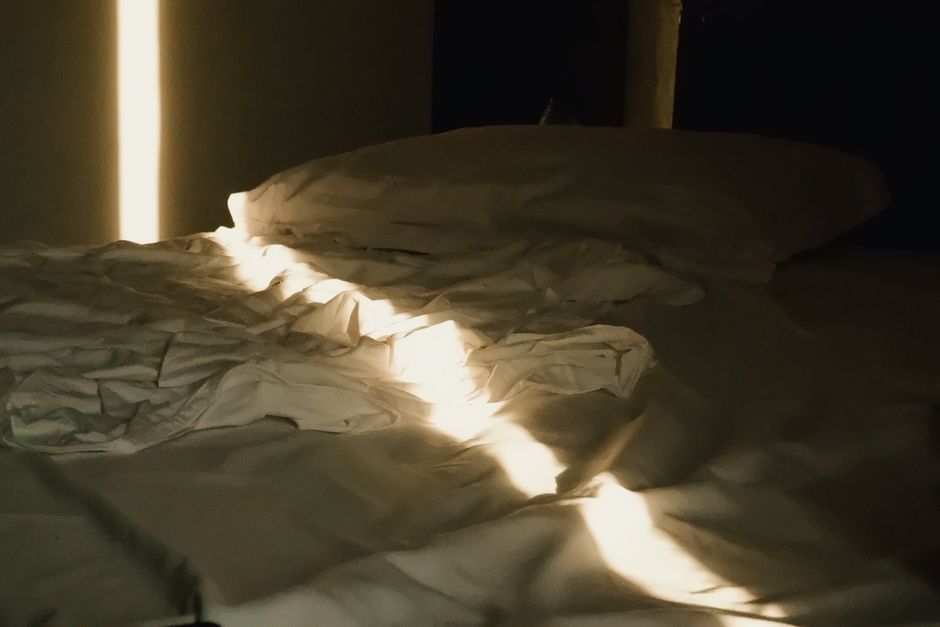
Our bedroom faces east, so around nine the light comes across the bed at a low angle rather than down onto it. That angle is the whole thing. A flat, pressed sheet under that light is a blank. It reads as one plane of colour and nothing else, and honestly it looks a bit like a photograph of a bed.
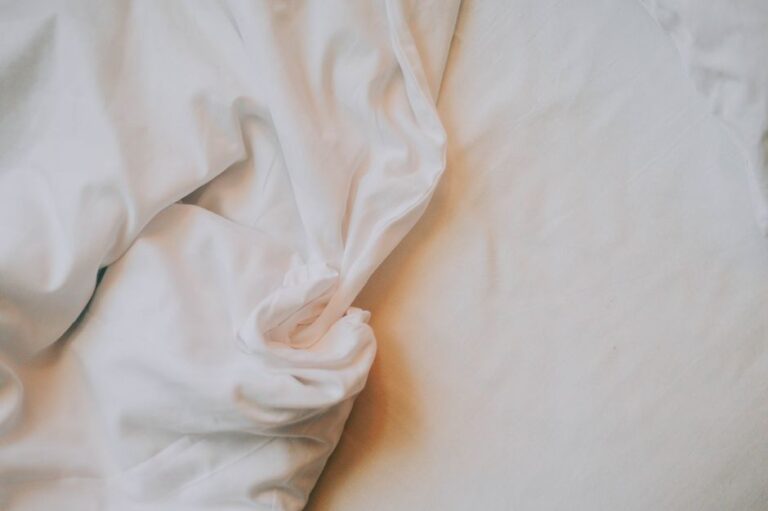
The same sheet unpressed has a hundred small ridges and each ridge has a lit side and a shaded side. The colour is not one colour anymore. Near the window it goes almost white on the high points, and in the folds it goes two shades deeper. That is the entire visual appeal of linen and ironing removes it.
What a crease actually is in this cloth
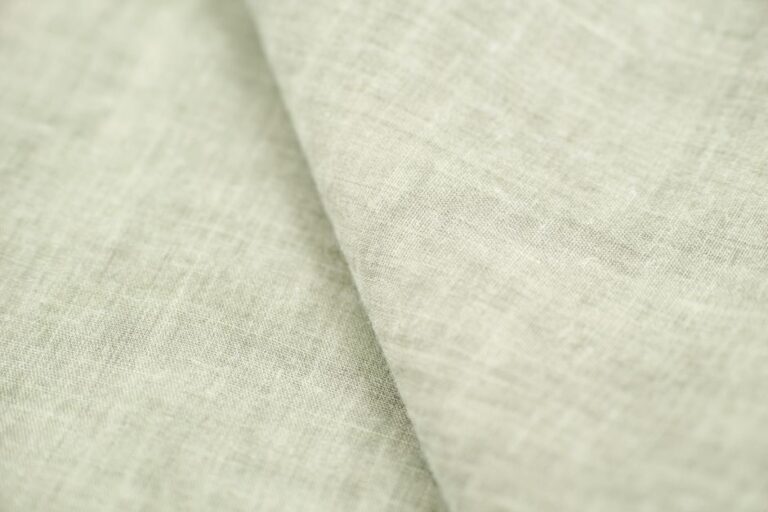
Linen fibre does not spring back. It takes a bend and it keeps it, which is the same property that makes it hold a hard fold line when you cram a machine too full. The crease is not damage and it is not dirt. It is a record of where the cloth was last folded, sat on, slept in, or wrung out.
Once I framed it that way, the whole category of feeling about it changed. A napkin with soft creases is a napkin that has been used. A pressed one is a napkin pretending it has not. I have no moral position on this, I just find one of them nicer to sit down to.
The other thing worth saying is that the creases change character over the years. New linen creases sharply, with defined edges, almost like folded card. Old linen creases in long soft undulations that run into each other. That is one of the clearest ways I can tell an old sheet from a new one across the room.
What I do instead of pressing
Almost nothing, but the almost matters. I shake things out hard when they come out of the machine, twice, while they are still heavy with water. That single act removes the tight twisted creases, which are the ugly kind, and leaves the loose ones, which are the good kind.
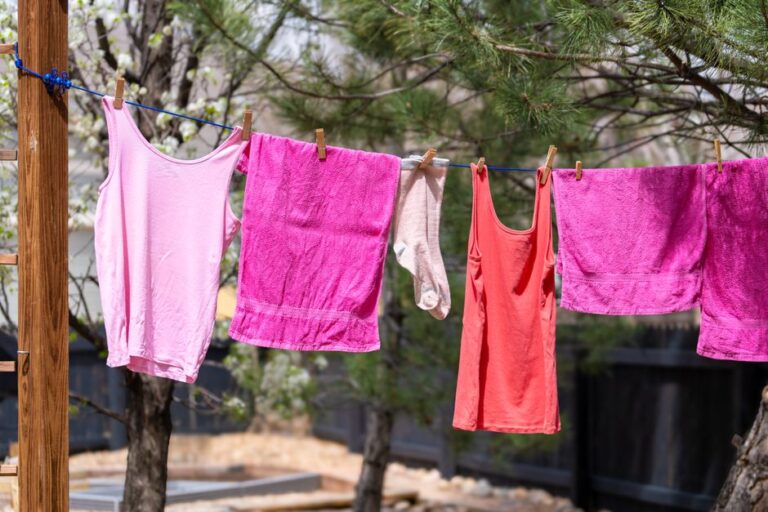
Then I hang things so gravity does the work. Sheets over the line lengthways rather than folded in half over it, because a line fold dries into a hard ridge that stays for days. Napkins hung by one corner. Pillowcases opened out rather than left flat like envelopes.
Beds get made in a loose way, more pulling up than smoothing. If I smooth a linen bedspread flat with my palms it looks worse, oddly, because you get a tense surface with a few big creases in it rather than an easy surface with many small ones.
The one thing I still press
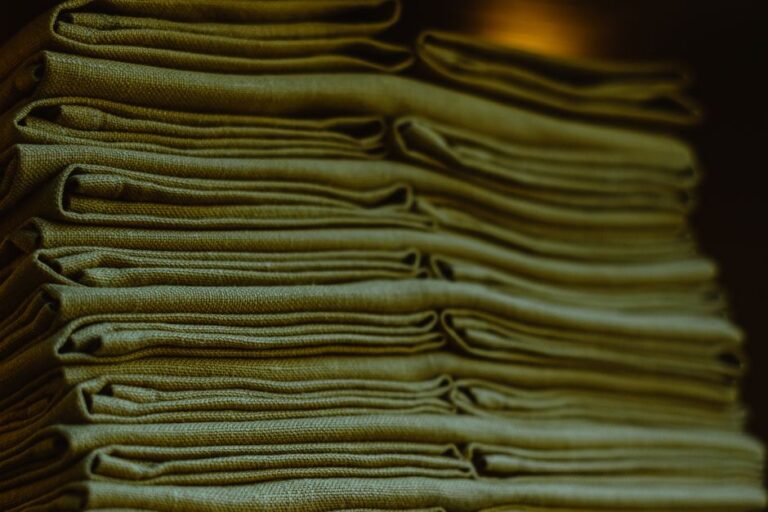
Napkins for the two or three meals a year where somebody is being formally fed. Not because creased napkins are wrong at a nice dinner, but because there is a particular pleasure in a stack of pressed square linen that only exists by contrast with the rest of the year. I borrow the neighbour’s iron back. She finds this funny.
I press them slightly damp and I fold them once, and by the time everyone sits down and shakes them out over their knees the pressing is functionally gone anyway. So it is a ritual rather than a result, which I think is fine as long as I am honest that that is what it is.
What people actually notice
Nobody has ever mentioned the creases. Not once, in three years, and I have had a reasonable number of people stay over. What people mention is the light in the bedroom in the morning, and the colour of the curtains, and once, memorably, that the house smelled like coffee and clean cotton at seven in the morning, which I took as the highest compliment available.
I suspect the anxiety about creases is almost entirely internal. It comes from a picture in your head of what a made bed is supposed to look like, and that picture came from somewhere that sells beds. Actual people walking into an actual room read texture as comfort long before they read flatness as care.
What I gained by stopping
An hour or so a month, which is not nothing but is not the point. The real gain was that laundry stopped having a second half. Washing, drying, folding, done. There is no longer a basket of clean things waiting in the corner for me to be a better person about them, which is what that basket had been for years.
And the cloth itself is lasting longer. I cannot prove that with anything except the two sets I own, but the set I used to press regularly has thinner, glassier patches along the fold lines than the set that has never met an iron. Heat and pressure on the same lines over and over will do that. Not pressing turns out to be the low effort option and the gentler one at the same time, which is rare enough to be worth saying out loud.