Winter Light in a Rental: What Actually Helped
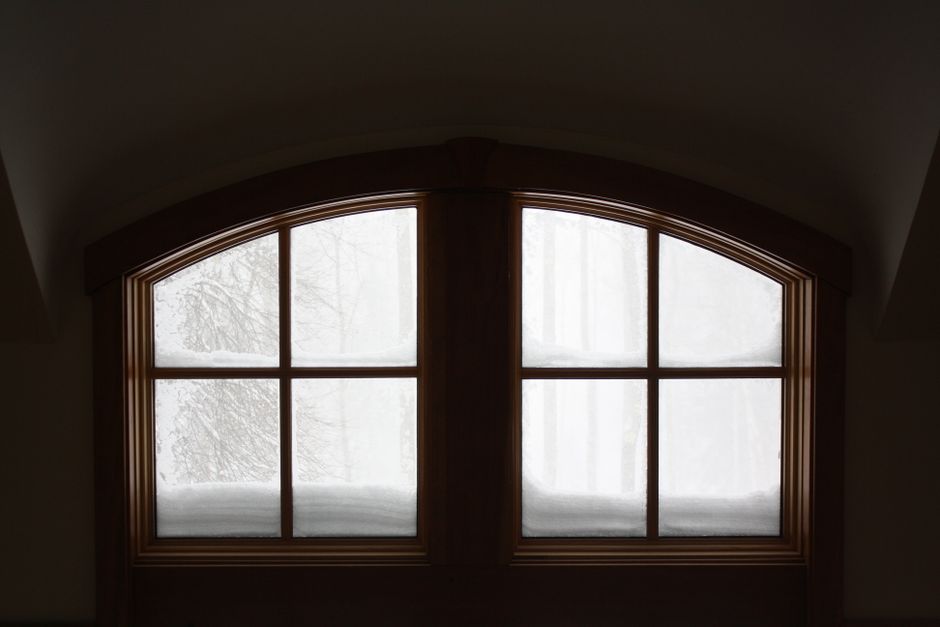
On the fourth of January I made coffee at half seven in the morning and had to switch the kitchen light on to see the grounds in the filter. I made coffee again at four in the afternoon and had to switch it on again. Between those two cups there were maybe five hours where the flat looked like itself, and even then it looked like a photocopy of itself, grey and slightly flattened.
I rent. I cannot cut a new window, I cannot take out the hedge that belongs to the neighbour, and I am not going to spend money on a flat I might leave. So last winter turned into a long experiment in working with what was already here. Some of it helped more than I expected. Some of it was me rearranging furniture to feel like I was doing something.
I cleaned the windows and it was not a gimmick
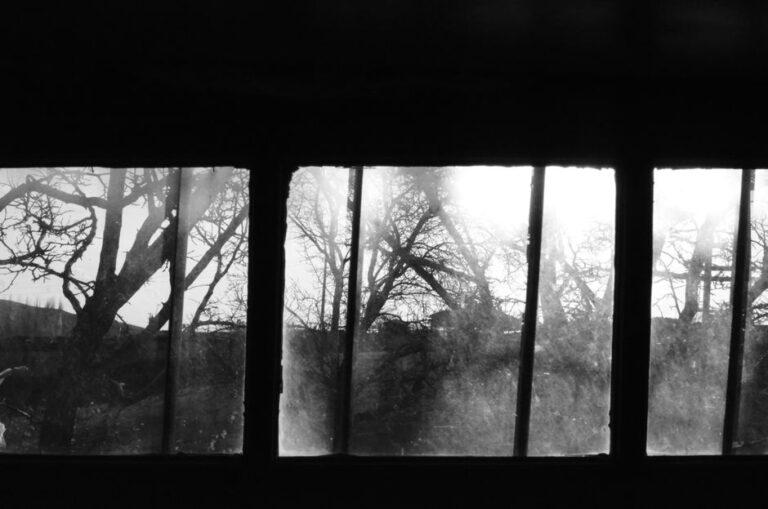
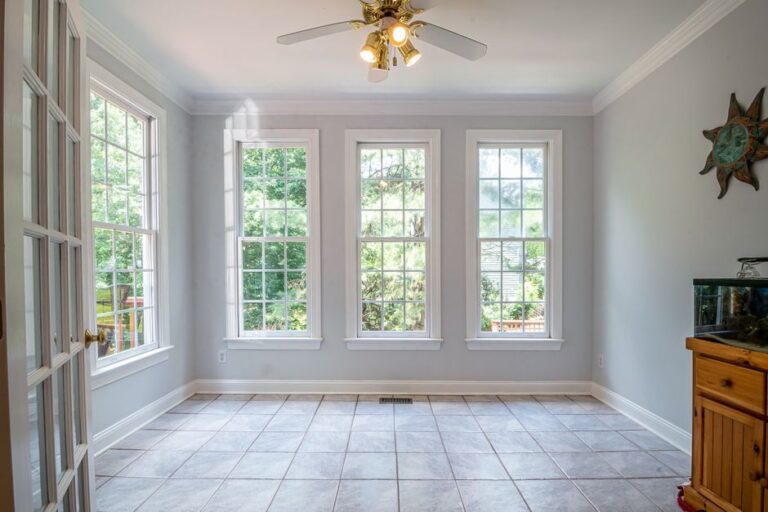
I want to start with the least interesting thing because it was the one that surprised me. I washed the outside of the windows in early December, standing on a chair with a bucket and a squeegee, feeling faintly ridiculous. There had been a summer of rain and dust on the glass and I had stopped seeing it the way you stop seeing a smudge on your glasses.
The difference was not dramatic. It was not a before and after photo. But the view sharpened, and the grey coming through the glass looked like actual daylight instead of something filtered through a stocking. I did the inside as well, and the sills, and I wiped down the white paint on the frames, which had gone a soft yellow-grey without me noticing. If you only do one thing in a dark flat in November, I would do this one, because it costs nothing and it is the only intervention that gives you back light you were already paying for.
Opening the curtains before there is anything to open them for
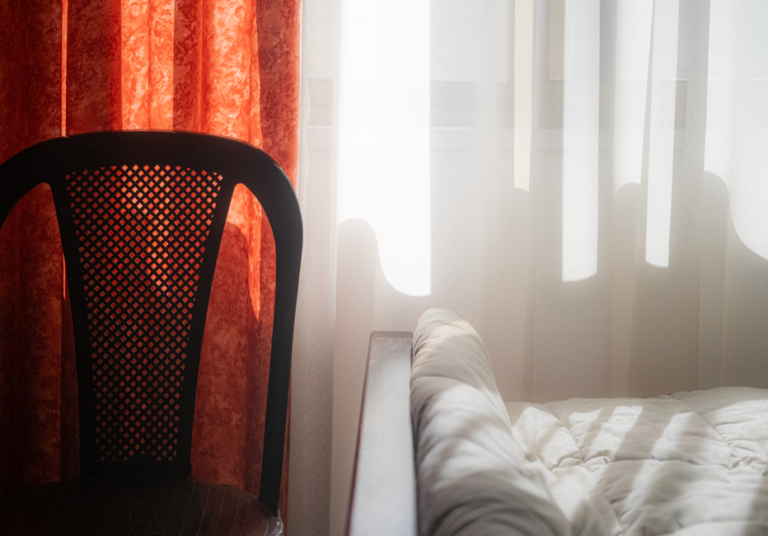
My old habit was to leave the curtains shut until I was properly awake, which in December meant until nine. That is a large fraction of the available daylight spent behind fabric.
So I changed the order of the morning. Kettle on, then curtains, all of them, all the way back, even in rooms I was not going to sit in. It felt pointless at first because there was nothing outside yet, just a navy rectangle. But it meant that when the light did arrive, it arrived into an open flat rather than waiting for me to get around to it.
The other half of that habit is closing them properly at dusk, which I am worse at. I tend to sit with the curtains open into the dark, looking at my own reflection in the glass, and the room feels colder than it is. On the evenings I remember to close them at four, the flat feels like a smaller and more finished place.
Moving the chair, twice a year
My reading chair spent the summer near the back wall, out of the direct sun, because the sun in July came in hard and hot and I did not want to sit in it. In November I dragged it to within about a metre of the front window, where in summer it would have been unbearable.
This is the change I would recommend to anyone in a rented place. Furniture is the one thing you can move without asking permission. The best seat in a house in July is almost never the best seat in January, and most of us set the room up once and then live with that arrangement for years.
I also moved the small table I work at so it sits side-on to the window rather than facing it. Facing the window meant I was looking into the brightest thing in the room all day and everything else looked dim by comparison. Side-on, the page gets the light and my eyes do not.
What did not work
I bought a mirror in a charity shop with the vague idea that it would bounce daylight around. I hung it on the wall opposite the window, which is what you are told to do. It did something, but the something was small, and mostly what it did was reflect a bright rectangle of sky onto a wall where I did not need one. The room did not get meaningfully brighter. It got one more bright object in it.
I have kept the mirror because I like it, not because it fixed anything. If you are hanging a mirror expecting a dark room to stop being dark, I would set your expectations low.
The other failure was more of a mindset thing. I spent a lot of November comparing the flat to how it looked in June, and being quietly disappointed in it. That was not a useful way to live in a room. Somewhere around the middle of the winter I stopped treating the dark as a problem the flat had and started treating it as the season the flat was in, and I got on better with the place after that.
Leaning into the dark instead of fighting it
By February I had given up on making the flat bright in the afternoon. Instead I got better at the evening version of it. Two low lamps instead of the ceiling light. A warmer bulb in the one by the sofa, which I had swapped out on a whim and then kept, because the room at night looked less like an office. A candle on the kitchen table, mostly for the moving light rather than the smell.
I will say plainly that I am describing a preference and not a benefit. I am not going to tell you what light does to a person. I only know that I liked being in the room more in the second half of the winter than the first, and that most of what changed was how I lit it after dark rather than anything I managed to do about the daylight.
The list I am keeping for next year
Wash the glass in late November, inside and out. Open everything first thing, before the kettle has boiled. Move the chair towards the window in October and away again in May. Close the curtains at dusk instead of sitting in the reflection. Swap the sofa lamp to the warmer bulb. Stop measuring the flat against its summer self.
None of that changes the fact that my building faces the wrong way and that the hedge next door is taller every year. A rental is a set of conditions you did not choose. But there is a surprising amount of room inside those conditions, and most of it is free.