I Had to Move House to Understand Light
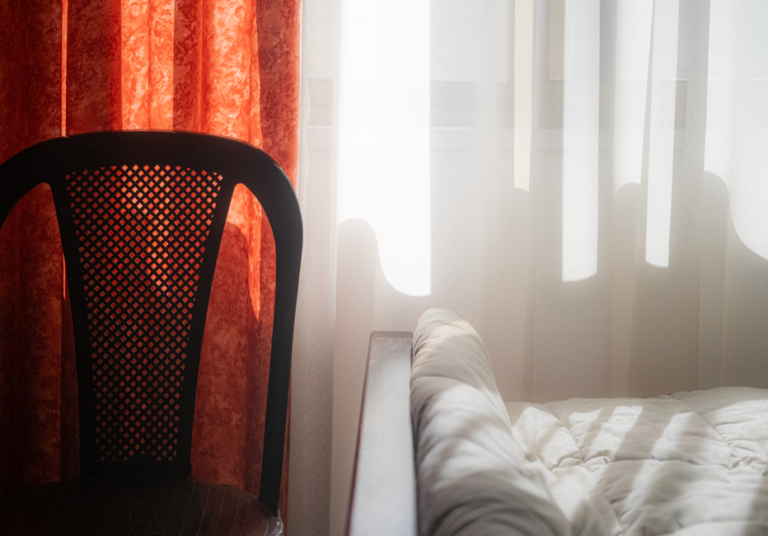
The morning after I moved I woke up at about six because there was light on my face, and I lay there genuinely confused, because I had not put curtains up yet and the sun had reached the bed and in six years at the old place nothing like that had ever happened. I remember thinking that I must have got the date wrong somehow, as though the sun had changed.
The two flats are four streets apart. Same rough age of building, same size of window, both rented, both on an upper floor. And the light in them is not comparable. That morning was when I understood that everything I had done in the old place, the pale paint, the mirror, the endless rearranging, had been an attempt to fix something that was never about the inside of the room.
What I believed about the old flat
I thought it was dark because I had made bad choices. I thought if I got the right colours and the right lamps and stopped keeping so many books on the sill, the place would come up. I spent real money on that theory over several years.
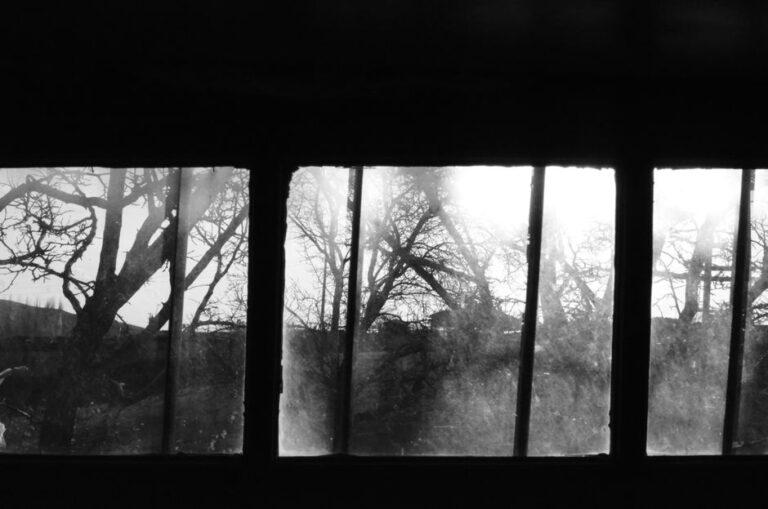
The truth is that the old flat had a five storey building about eight metres away on the sunny side. That is it. That is the whole explanation. Every window I had looked either at that wall or at the alley beside it. On the brightest day in June there was a period of maybe forty minutes in the early evening when a slice of sun came down the gap between the buildings and hit my kitchen, and I used to stand in it.
Nothing I put inside that flat was ever going to compensate for a building sitting in front of the sun. I did not understand that as a fact about the world until I lived somewhere without it.
Same window, different sky
Here is the thing I would want anyone flat hunting to know. The window is not the variable. Everyone looks at the windows, notes that they are large, and moves on.
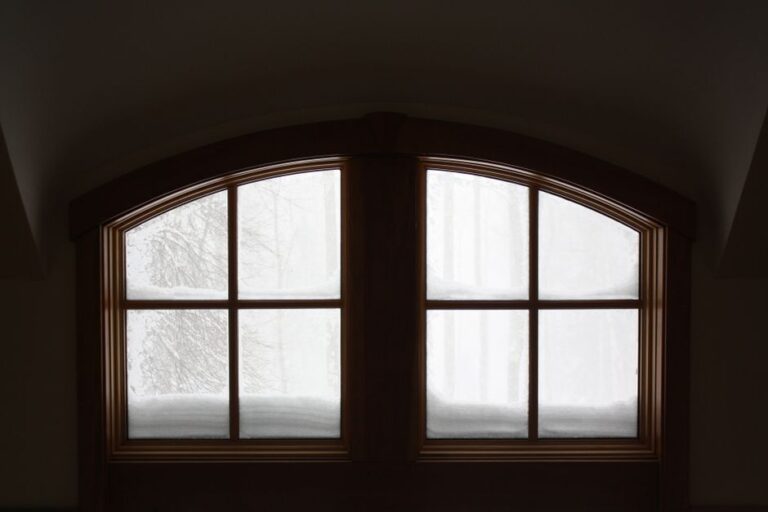
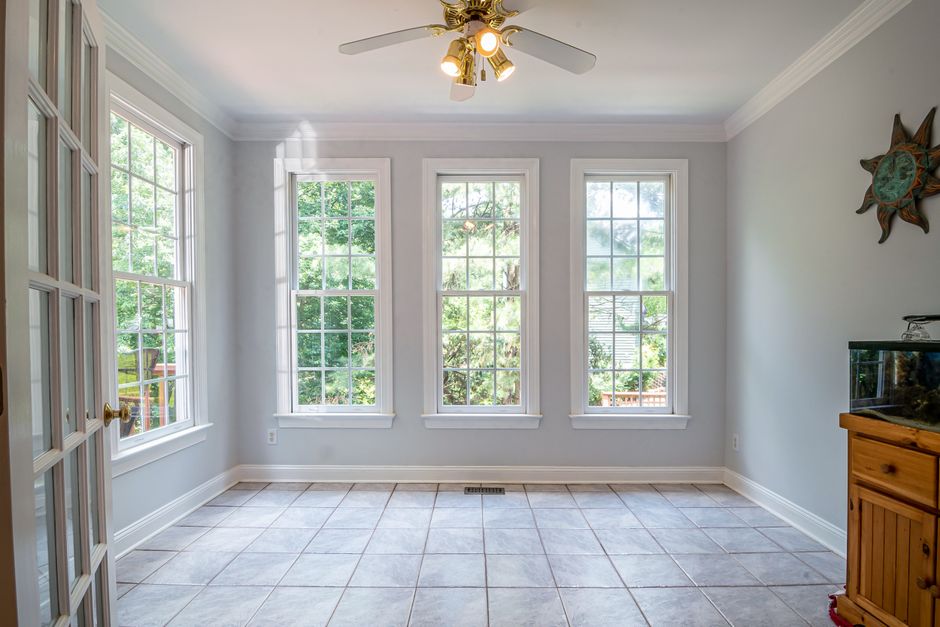
What matters is what the window can see. A big window facing a wall is a small window. A modest window with open sky in front of it will out-perform it every time. My current front room has a slightly smaller window than the old one and about three times as much light in it, because there is a low building and then a lot of nothing.
Aspect matters too, obviously, but I have come to think the obstruction question is the more urgent one, because you can adapt to a north facing room and you cannot adapt to a wall.
The viewing that told me nothing
I saw the old flat at eleven in the morning in July, which is roughly the least informative moment possible. The rooms were bright enough. Nothing was in shadow. I had no way of knowing, standing there for twelve minutes with an agent waiting by the door, that the brightness I was looking at was the day’s ceiling rather than its middle.
I did not ask a single useful question. I asked about the boiler and the council tax band and whether the neighbours were noisy. I did not ask which way the flat faced, and I did not walk to the window and look at what was in front of it, and I did not think about the alley at all except to note that it meant fewer people passing.
What I ask now
When I saw the current place I did three things I had never done before.
I stood at every window and looked at what was directly opposite, and how far away it was, and how tall. I used the compass on my phone in each room, which takes ten seconds and which nobody minds you doing.
I asked the agent what time of day the flat got sun, and although the answer was vague I watched how she answered it. The last agent I asked that of said, cheerfully, that it was a lovely bright flat, which is not an answer.
And I went back on my own at a different hour and stood in the street looking up at the windows. That is the one I would insist on. Fifteen minutes on a pavement at four in the afternoon told me more about the flat than the viewing did.
What you can and cannot change
The list of things you can change is longer than I used to think. You can move furniture, clear sills, extend a curtain rail, hang a lower rod, swap bulbs, choose which room you do which activity in, and change the hour at which you use a space. All of that is real and all of it made both flats better.
The list of things you cannot change is short and it is decisive. Which way the building faces. What is standing in front of the glass. How high the roofline opposite is. Whether there is sky.
When I was in the old flat I spent my energy on the first list because it was the only list available to me, and that was the right thing to do. What I got wrong was believing that the first list could ever solve a problem that belonged to the second.
The part I did not expect
I miss things about the old flat. It was quieter, and it was cheaper, and it stayed cool in August in a way this one does not. Light is one variable among several and I am not going to pretend it outranks rent.
But I would never again view a place at one convenient hour and sign a two year contract on the strength of it. You cannot bring light with you and you cannot buy it once you are in. It comes with the address.